

NCHE Releases Third Episode of Powerful Hope In Action Podcast Exploring Racial Healing and Human Dignity

Dr. Gail C. Christopher
A central theme of the conversation is the concept of resilience and the active choice to embrace hope in the face of systemic challenges in America today
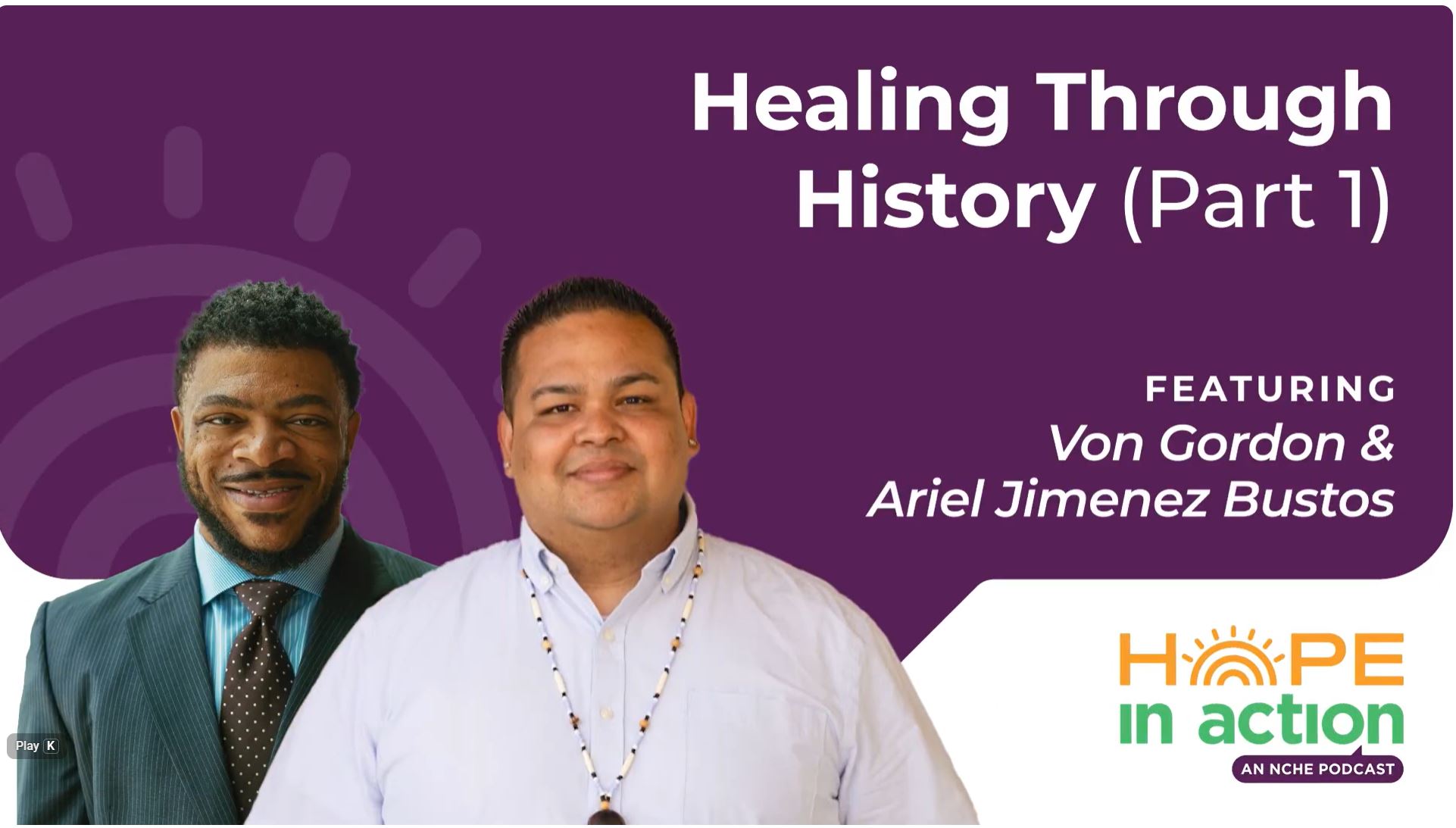
WASHINGTON, DC, UNITED STATES, April 30, 2026 /EINPresswire.com/ -- The National Collaborative for Health Equity (NCHE) released the third episode of its acclaimed Hope in Action podcast series, featuring two powerful voices in the racial healing movement, Von Gordon and Ariel Jimenez, who discuss the profound importance of cultural resilience, ancestral honor, and the sacredness of human dignity.
The episode features an insightful and deeply personal conversation between Gordon, Executive Director and Youth Engagement Manager at The Alluvial Collective, and Jimenez, Co-Trainer and Program Manager at the National Compadres Network. Through their shared experiences and distinct cultural backgrounds, the two leaders offer a compelling roadmap for bridging societal divides, fostering meaningful equity and inclusion, and underscoring the importance of healing and our stories.
“Healing is a big part of what we have to do, and we are each other's medicine,” Gordon says. “There are so many challenges that people across our country and the globe are facing, and it’s clear that we can’t overcome them alone. We have to lean on each other, honor the wisdom of those who came before us, and recognize that the connections we build with one another are the foundation for the healing we all need."
Jimenez adds, “(we) are proof that the genocide was unsuccessful, that the shackles weren’t strong enough to hold down your spirit. When I sat in a (healing) circle for the first time, my mentors reminded me that as a Native American, my very existence is evidence that my people endured and survived.
They told the African American brothers and sisters in the circle the same thing: you are proof that the spirit of your ancestors could not be broken. That truth is a source of hope and strength, reminding us that no matter what we face, we carry the legacy of survival and resistance within us."
The Hope in Action podcast series amplifies the voices of practitioners who are on the front lines of racial healing. Gordon and Jimenez explore what it means to actively pursue healing in a society that often overlooks the humanity of marginalized communities. They begin their dialogue by grounding themselves in the traditions of their ancestors, acknowledging that the work they do today is only possible because of the sacrifices of those who came before them. By honoring their lineages and the mentors who have guided their paths, they set a tone of deep reverence and purpose that carries throughout the entire episode.
A central theme of the conversation is the concept of resilience and the active choice to embrace hope in the face of systemic challenges. Gordon shares his experiences growing up as a Black man in Mississippi and the unique obstacles he has navigated throughout his life. Meanwhile, Jimenez was born in Ocotlán, Jalisco, Mexico, and raised in East San Jose, California. Rather than being defeated by the challenges they faced, Gordon and Jimenez drew strength from the historical perseverance of their communities. To them, resilience is more than a buzzword; it is a lived experience forged through adversity.
“I come from a community of people who have always found joy in the midst of hard things,” Gordon says. “They are resilient people who have endured challenges that would break others, yet they continue to find ways to laugh, to love, and to live fully. Everyone wants the badge of being resilient, but no one wants to go through the things that make you resilient. For me, hope comes from knowing that I stand on the shoulders of generations of survivors who have shown me that no matter how hard life gets, we can endure and thrive together.”
Jimenez echoes this sentiment by sharing powerful lessons learned from his own family, particularly his grandmother. He recounts his journey of realizing that true healing medicine does not always come from external sources or academic degrees, but often resides within the home and cultural traditions. He vividly describes his grandmother, who survived severe health challenges, including amputations and cancer, yet continued to tend to her garden every morning. Her enduring spirit provided Jimenez with a profound understanding of how to navigate hardship, and he shared her wisdom with the audience.
"Pain and suffering is inevitable, but misery is optional. My grandmother taught me that lesson every day of her life,” Jimenez says. “She survived cancer twice, had her leg amputated, and still got up every morning to water her roses from her wheelchair. She showed me that while we can’t always control what happens to us, we can choose how we respond. Her resilience and grace in the face of hardship taught me that we have the power to find joy and purpose, even in the darkest times."
The episode also delves deeply into the meaning of sacredness and who society deems worthy of protection. Gordon challenges the audience to consider the definition of the word "sacred" as something worthy of protection. He points out a tragic reality in modern culture, where certain groups of people are systematically denied their human dignity and left vulnerable to harm. He urges listeners to reflect on the justifications society uses to dishonor the sacredness of their fellow citizens. This segment of the podcast serves as a powerful call for empathy and a demand that we expand our circle of human concern to protect the most vulnerable among us.
Building on the theme of protection, Jimenez shares a deeply moving account of his own vulnerability as a Deferred Action for Childhood Arrivals recipient. During a period of intense national protests against police brutality, Jimenez felt a strong urge to join his peers on the front lines. However, he was reminded by legal counsel that an arrest for civil disobedience could result in his deportation and the loss of his protections. Faced with an agonizing choice between standing in solidarity and protecting his own future, Jimenez leaned on his mentors. They guided him to realize that his purpose in the movement could take a different form, such as providing spiritual support and healing for those returning from the protests. This narrative powerfully illustrates that activism and leadership require both courage and profound self-awareness.
Mentorship emerges as another crucial pillar of the conversation. Both Gordon and Jimenez highlight how mentors have provided them with the wisdom to navigate complex emotional and systemic landscapes. They encourage listeners who may not feel they have formal mentors to look for lessons in the everyday stories of their neighbors, family members, and peers. Gordon shares a guiding principle from his own community elders: to do what you can, with what you have, from where you are. This pragmatic approach to activism empowers individuals to make a difference in their immediate surroundings without becoming paralyzed by the sheer scale of global injustices.
As the conversation shifts toward the broader concepts of human dignity and the value of humanity, Gordon uses the metaphor of building bridges to describe his community work. He emphasizes the importance of creating short bridges to connect with others, finding common ground, and slowly closing the immense gaps that divide society. In a time when equity initiatives are frequently attacked and misunderstood, Gordon offers a message of steadfast encouragement to practitioners in the field. He reminds them that the connections they have forged and the dignity they have championed cannot be erased by political pushback. He urges builders of equity to keep laying the bricks of progress, trusting that their foundational work will outlast the current storms of opposition.
NCHE and the National Compadres Network are highlighted as essential organizations that create authentic spaces for this vital work. Jimenez expresses deep gratitude for the way NCHE allows individuals to show up as their authentic selves, without demanding conformity. By inviting people to bring their natural gifts to the table, these organizations foster organic healing and build resilient networks of support. Whether individuals need emotional holding, financial literacy, or health management, the bridges built within these networks ensure that nobody has to navigate their struggles alone.
Ultimately, the conversation underscores the enduring power of the human spirit. It challenges listeners to view themselves and their neighbors as living proof of cultural survival. Both see hope in the future.
“It’s easy to feel overwhelmed by the enormity of the challenges we face, but progress doesn’t come from wishing for better circumstances. It comes from taking action, however small, with the tools and resources you have right now. When we are faithful with what we have, our capacity grows, and we create opportunities for others to join us in building a more just and equitable world.”
Jimenez agrees, saying, “We are the medicine. We are going to carry this forward because for those who have been carrying the baton for decades, it’s okay to pass it on. You deserve your rest. Let us carry it for as long as we can, and then we’ll pass it on to future generations. Our very existence is a testament to the resilience and strength of our ancestors, and that gives me hope for the future.”
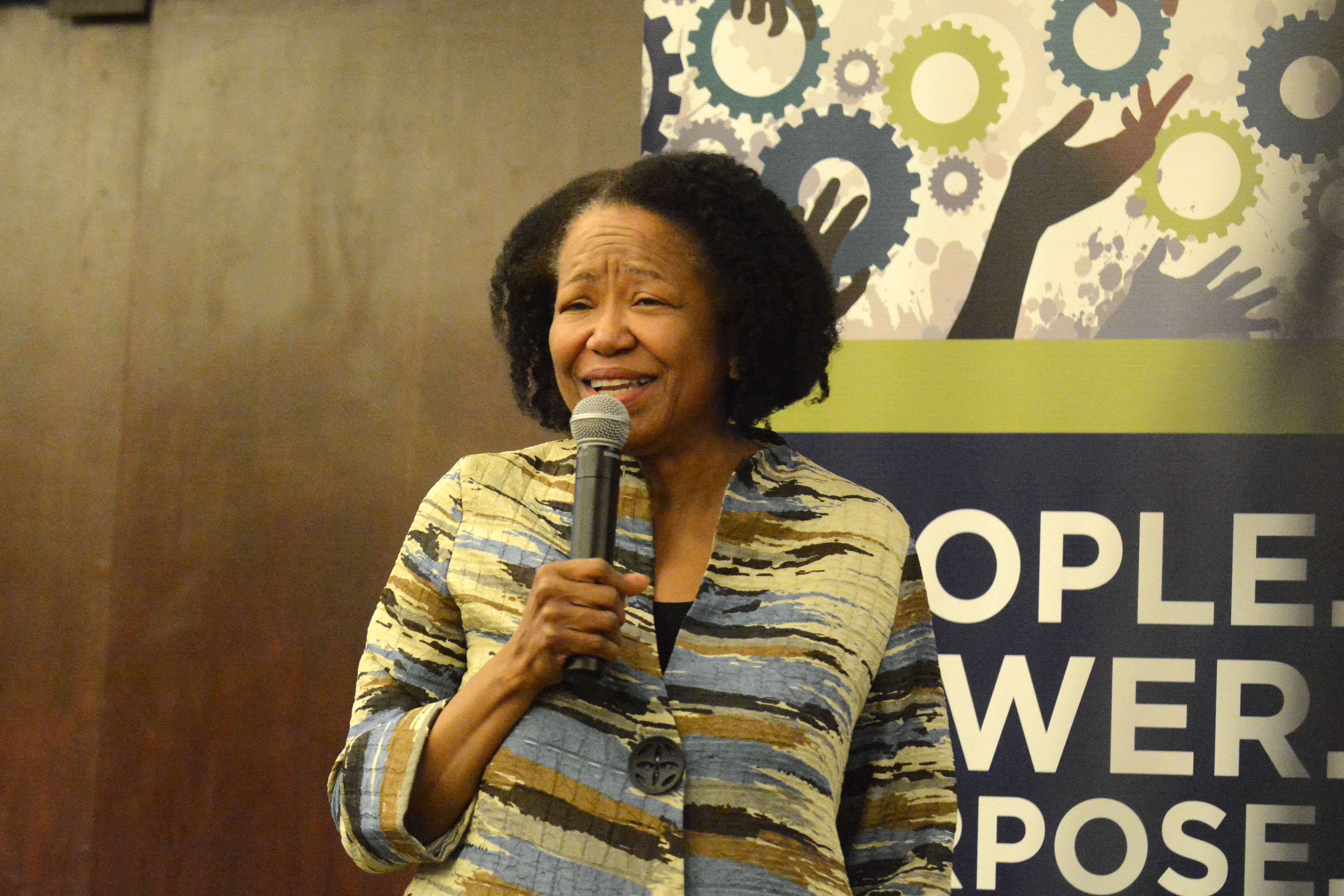
Dr. Gail C. Christopher, NCHE’s Executive Director, urges people to tune in to this transformative dialogue and apply its lessons to their own lives and communities. She adds: “By engaging with the Hope in Action podcasts, audiences can join a growing movement dedicated to dismantling hierarchies of human value and building a society rooted in fairness, dignity, and shared humanity.”
To see the full episode on YouTube, click HERE
About NCHE
Founded in 2014, NCHE was established to promote health equity through action, leadership, inclusion, and collaboration. We work to create environments that foster the best possible health outcomes for all populations, regardless of race, ethnicity, socioeconomic status, or nativity. NCHE also works to improve conditions for health and well-being, including housing, education, income and wealth, and the physical and social environment. Further, we must address historical and contemporary structural, institutional, and interpersonal racism, which fuels inequities in our society.
Michael K. Frisby
Frisby & Associates
+1 202-625-4328
email us here
Legal Disclaimer:
EIN Presswire provides this news content "as is" without warranty of any kind. We do not accept any responsibility or liability for the accuracy, content, images, videos, licenses, completeness, legality, or reliability of the information contained in this article. If you have any complaints or copyright issues related to this article, kindly contact the author above.
