

49% of U.S. Adults Say Living in America Hurts Their Mental Health — New Research Reveals Why
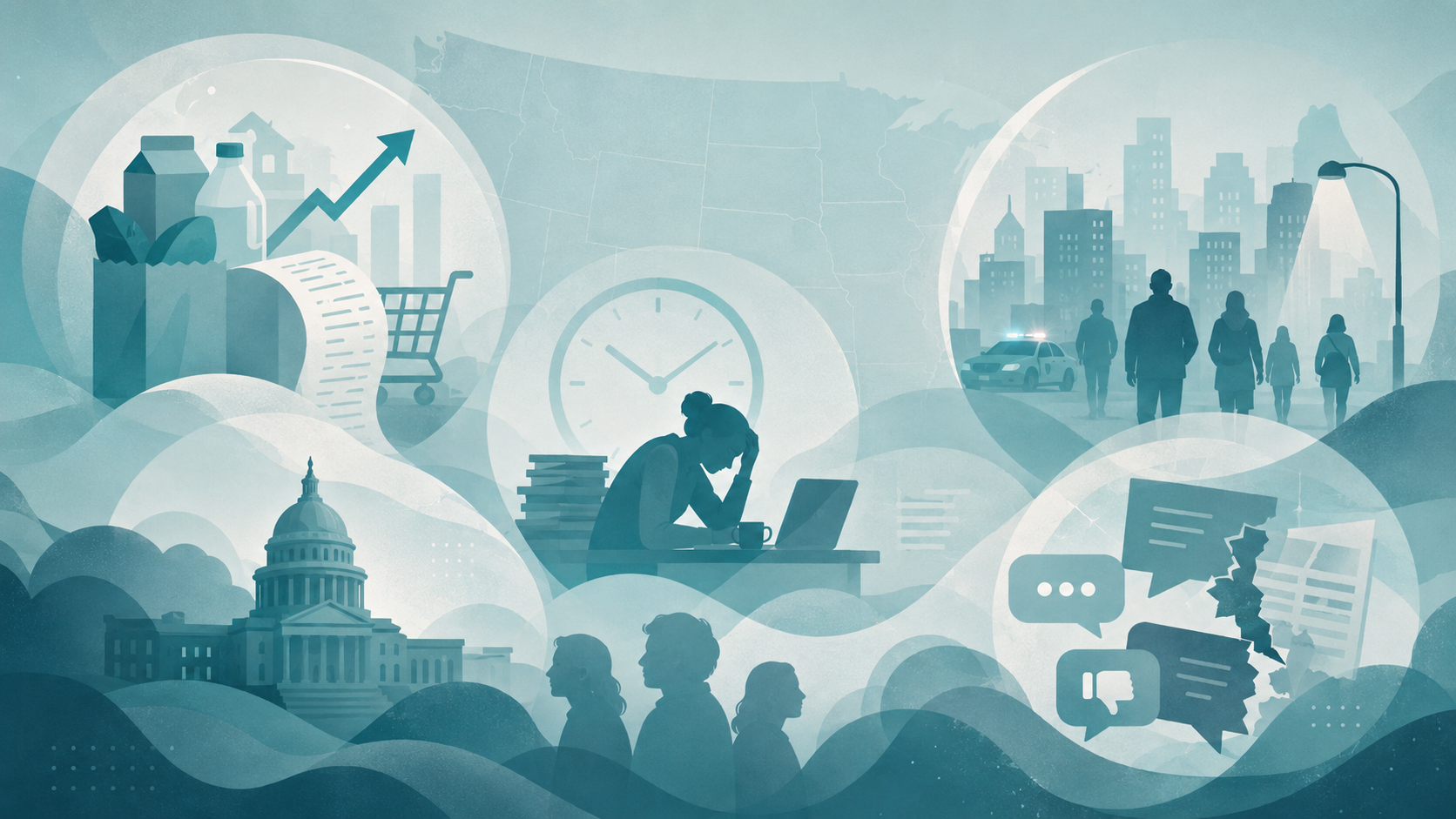
New research finds 86% of Americans say inflation and rising living costs have reduced their optimism, while 69% say stress is disrupting their sleep.
BasePoint BreakThrough research reveals how rising costs, burnout, safety concerns, and declining trust are reshaping emotional well-being across the U.S.
DALLAS, TX, UNITED STATES, May 28, 2026 /EINPresswire.com/ -- Nearly half of U.S. adults say living in America negatively affects their mental health or leaves them conflicted about staying, according to a new study from BasePoint BreakThrough. The research reveals how rising living costs, burnout, safety concerns, and declining trust are contributing to growing emotional strain across the country.
The study surveyed 1,000 U.S. adults about emotional stress, financial stability, safety concerns, and trust in institutions. The findings show that 62% of Americans report higher stress levels than they experienced a year ago, with many linking that stress to rising living costs, housing affordability, healthcare access, and broader societal concerns.
The findings show that financial instability is affecting both emotional and physical well-being for many Americans. Nearly half of respondents described themselves as financially vulnerable, while majorities reported stress-related sleep disruption, burnout, emotional withdrawal, and increased irritability.
Key Takeaways
• 49% of U.S. adults say living in America negatively affects their mental health or leaves them conflicted about staying
• 62% of Americans report higher stress than a year ago
• 86% say rising living costs have reduced their optimism about the future, and 73% say the cost of living contributes to their stress
• 69% report difficulty sleeping due to stress
• 66% feel emotionally withdrawn or disconnected
• 61% say they are overworked or experiencing burnout
• 53% avoid medical or mental healthcare because of cost
• 60% report decreased trust in Immigration and Customs Enforcement, while 56% say the same about the federal government
Americans Are Feeling More Emotionally Exhausted
Stress levels have risen significantly for many Americans over the past year.
The study found that 38% say their stress is somewhat higher than last year, while 24% say it is much higher. Only 9% reported lower stress levels.
Many respondents described stress as a frequent part of daily life:
• 36% experience occasional stress regularly
• 26% feel stressed or anxious several days a week
• 12% feel emotionally drained most days
• 10% say they feel overwhelmed nearly every day
Stress levels also varied across demographics. Nearly two-thirds of women (65%) reported higher stress than a year ago, compared to 58% of men.
The study also found that many Americans feel uneasy in public settings. Respondents cited several situations that increase anxiety when outside the home:
• Heavy police presence (44%)
• Seeing someone openly carrying a firearm (41%)
• Loud political arguments in public (41%)
• Political protests (36%)
Rising Costs Are Driving Financial and Emotional Strain
Financial instability emerged as one of the strongest contributors to emotional stress.
Only 18% of respondents said they can comfortably cover expenses and still save money. Meanwhile:
• 31% can pay bills but struggle to save
• 29% say one unexpected expense would create financial hardship
• 20% struggle to cover basic living expenses
The study also found that women were more likely than men to fall into financially vulnerable categories.
Financial concerns are also reshaping how Americans view the future. 86% say rising living costs have reduced their optimism about the country, while respondents identified several major contributors to day-to-day stress:
• Rising cost of living (73%)
• Lack of affordable housing (62%)
• Lack of affordable healthcare (57%)
• Gun violence (55%)
• Actions of the federal government (48%)
• Unregulated AI adoption (45%)
Stress Is Affecting Sleep, Relationships, and Daily Life
For many Americans, stress is no longer just emotional — it is affecting physical health, relationships, and everyday behavior.
The study found that:
• 69% report difficulty sleeping
• 66% feel emotionally withdrawn or disconnected
• 62% procrastinate or avoid responsibilities because of stress
• 61% report increased irritability or anger
• 50% say stress has increased arguments with family or partners
Workplace burnout is also widespread. About 61% say they feel overworked or burned out, while 53% avoid medical or mental healthcare because of cost.
The findings point to a growing overlap between financial pressure, emotional exhaustion, and social instability, creating challenges that extend beyond economics and into daily life, relationships, sleep, and overall well-being.
Safety Concerns Are Changing Daily Behavior
Concerns about violence and public safety are also influencing where Americans feel comfortable going.
The study found that:
• 33% avoid concerts, sporting events, or large gatherings
• 33% avoid nightlife areas
• 27% avoid shopping malls or retail centers
• 27% avoid downtown or urban centers
• 23% avoid public parks or outdoor spaces
Younger adults reported the highest levels of avoidance, particularly among Gen Z respondents.
At the same time, nearly one-third of Americans said they have not changed their behavior due to safety concerns, highlighting a growing divide in how people navigate public life.
Americans Report Declining Trust in Major Institutions
The research also found declining trust across several major institutions, with respondents most likely to report decreased trust in federal agencies, news media, healthcare, and government.
Respondents reported losing trust in:
• Immigration and Customs Enforcement (60%)
• The federal government (56%)
• Mainstream news media (54%)
• The U.S. healthcare system (50%)
• Local government (46%)
Respondents also reported worsening perceptions of everyday economic conditions, including rising grocery costs, utility bills, and housing affordability.
Americans Are Trying to Maintain Stability
Despite widespread stress and uncertainty, many Americans continue trying to maintain stability in their personal and professional lives.
The findings suggest that economic pressure, emotional burnout, and social instability are increasingly interconnected, creating challenges that affect sleep, relationships, work, financial behavior, and overall mental well-being.
As financial strain, burnout, and uncertainty continue affecting daily life, the study highlights the growing importance of emotional support systems, healthier coping strategies, and accessible mental health resources.
View the full study here:
https://basepointbreakthrough.com/blog/emotional-toll-living-us-study/
————————————————————————————————————
BasePoint BreakThrough provides mental health and behavioral treatment services designed to help adults ages 18 to 35 and their families manage emotional challenges and build long-term resilience. Through evidence-based care and compassionate support, the organization works to address stress, anxiety, burnout, and emotional well-being while helping people navigate the pressures of modern life with healthier coping strategies.
Taylor Jay
Resolve Marketing
email us here
Visit us on social media:
LinkedIn
Instagram
Facebook
YouTube
Legal Disclaimer:
EIN Presswire provides this news content "as is" without warranty of any kind. We do not accept any responsibility or liability for the accuracy, content, images, videos, licenses, completeness, legality, or reliability of the information contained in this article. If you have any complaints or copyright issues related to this article, kindly contact the author above.
